Industrial and manufacturing marketing
Catalogues, distributor channels and technical buyers. The work is getting thousands of SKUs found and quoted, not building brand awareness.

Why does consumer marketing fail here?
Because the buyer already knows what they want. They are searching a part number, a spec or a cross-reference, not browsing.
An industrial catalogue is thousands of SKUs with attributes that matter: thread size, pressure rating, material, certification. A buyer who cannot filter on those leaves. That makes product data the marketing asset, well before the campaign is.
The second complication is the channel. You sell through distributors who also list your products, sometimes against you, sometimes with worse data than you would supply yourself. Getting the same correct product content onto every retailer and distributor is usually worth more than a bigger ad budget.
Where the work goes
Usually in this order.
- Product data clean enough to filter on
- Listings on the marketplaces your buyers use
- Search for part numbers and cross-references
- Paid media against quotes, not clicks
What we would not sell you
Because it rarely pays here.
- Brand awareness campaigns with no quote path
- Social spend aimed at people who do not specify parts
- A rebuild when the catalogue data is the problem
- Leads counted without a quote attached
What we do
- 01Product contentPhotography, video, copy and attributes, built once and syndicated so every distributor and retailer shows the same correct data.
- 02MarketplacesAmazon and Walmart listings for the SKUs that suit them, run as a channel and not an experiment.
- 03Technical SEO and contentPages that answer the spec question, plus category and product pages built to be found by part number.
- 04Paid mediaGoogle Ads and paid social pointed at quote requests and distributor referrals, with a budget sized to the margin.
- 05ReportingQuotes, orders and channel revenue, monthly, in numbers a plant manager can read without a glossary.
Work
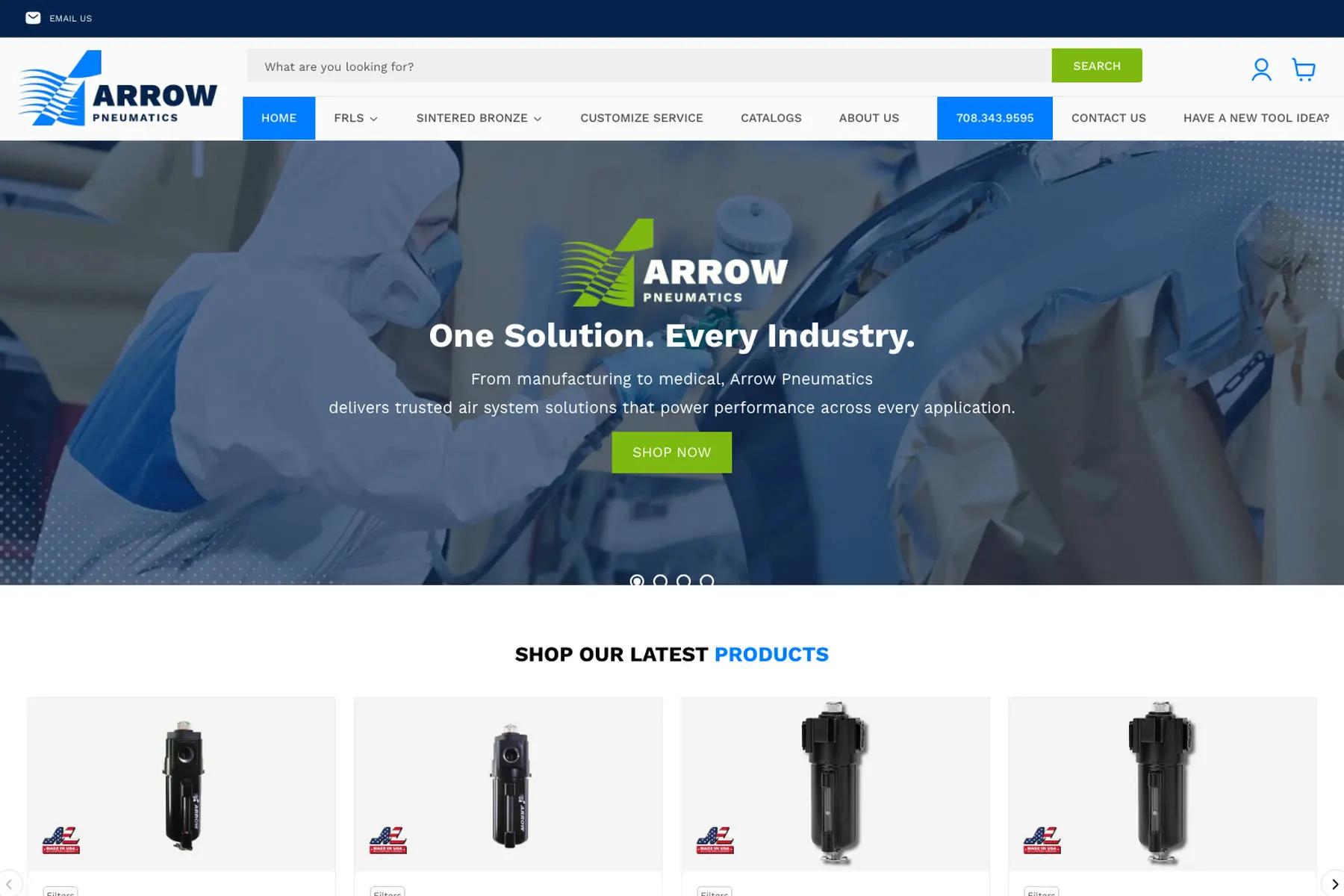
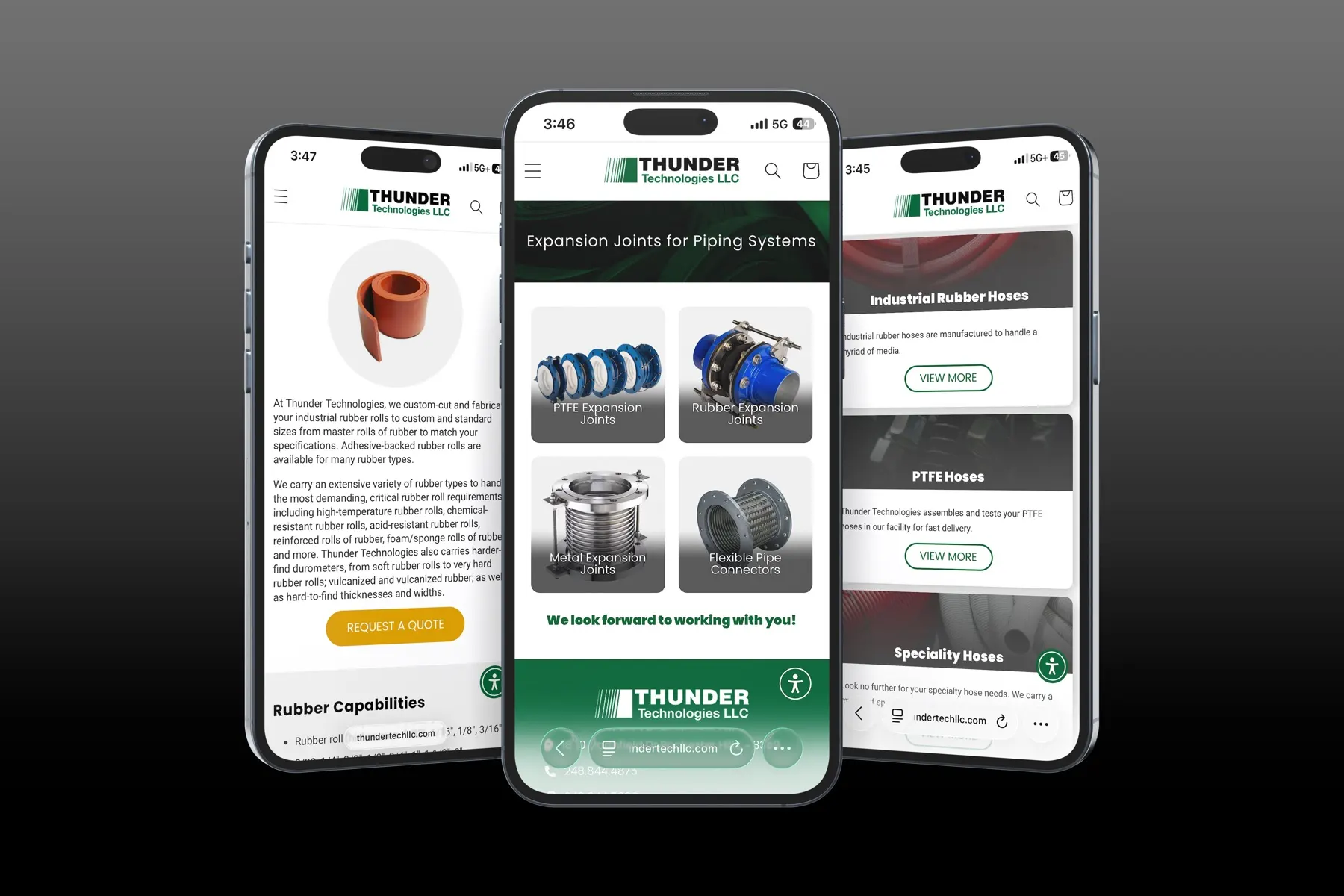
Industrial manufacturers and tool brands we run channels for.
Questions people ask
How is industrial marketing different from B2C?
The buyer arrives knowing what they need and searches a part number, a spec or a cross-reference. That makes product data and findability the job, where consumer marketing spends its budget on demand creation. Sales cycles are longer and involve more people.
We sell through distributors. Does marketing still make sense?
More so, because your distributors list your products using whatever data you gave them. Getting correct, complete product content onto every channel usually moves more revenue than additional advertising, and it lifts the distributors as well as your own store.
Should an industrial brand be on Amazon?
Some of the catalogue, usually. Consumable and aftermarket parts tend to work; heavily configured or freight-heavy items usually do not. It is a SKU-by-SKU decision, and we would rather list fifty that sell than the whole catalogue.
How do you measure it when the sale closes offline?
By tracking quote requests instead of orders, and by matching them back to closed deals on whatever cycle your sales team actually works to. A monthly report against a nine month cycle tells you nothing useful, so we set the reporting period to the cycle.
Related
Want marketing in black and white?
Send us your store or your ad account. We'll send back a free marketing audit that says what's working, what isn't and what we'd do first.